Advancing reliable and reproducible computational biology research
The Reproducibility Network for Computational Biology (RN4CB) is a peer-led, globally inclusive consortium serving as a forum and voice to advocate, educate, and set standards for open and reproducible research practices.
Our aim is to raise the quality and trustworthiness of research in computational biology, medical informatics, and related data science fields.
The network will be involved in the following activities to further the mission:
Acting Chair
Burnet Institute, Australia
Outreach & Education
Max Planck Institute for Human Development, Germany
Education
University of Colorado Anschutz Medical Campus, USA
Career Development
EMBL-EBI, UK
Policy
Université Paris-Saclay, France
Policy
McGill University, Canada
Career Development
University of Southern California, USA
Outreach - Events
Chemnitz University of Technology, Germany
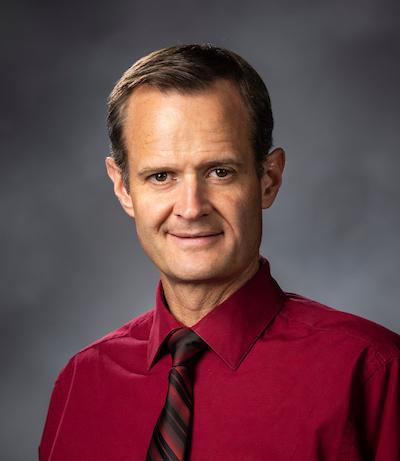
Education
Brigham Young University, USA
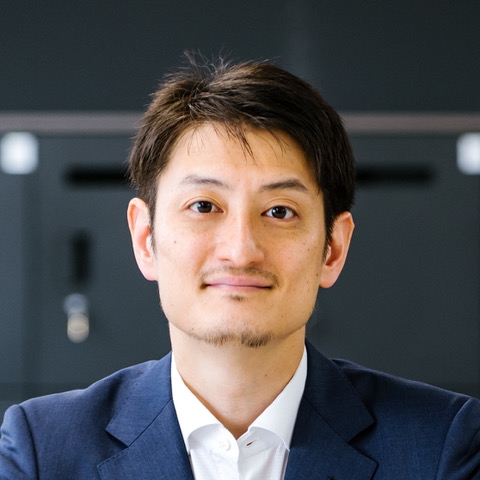
Policy & Cooperation
Chiba University, Japan
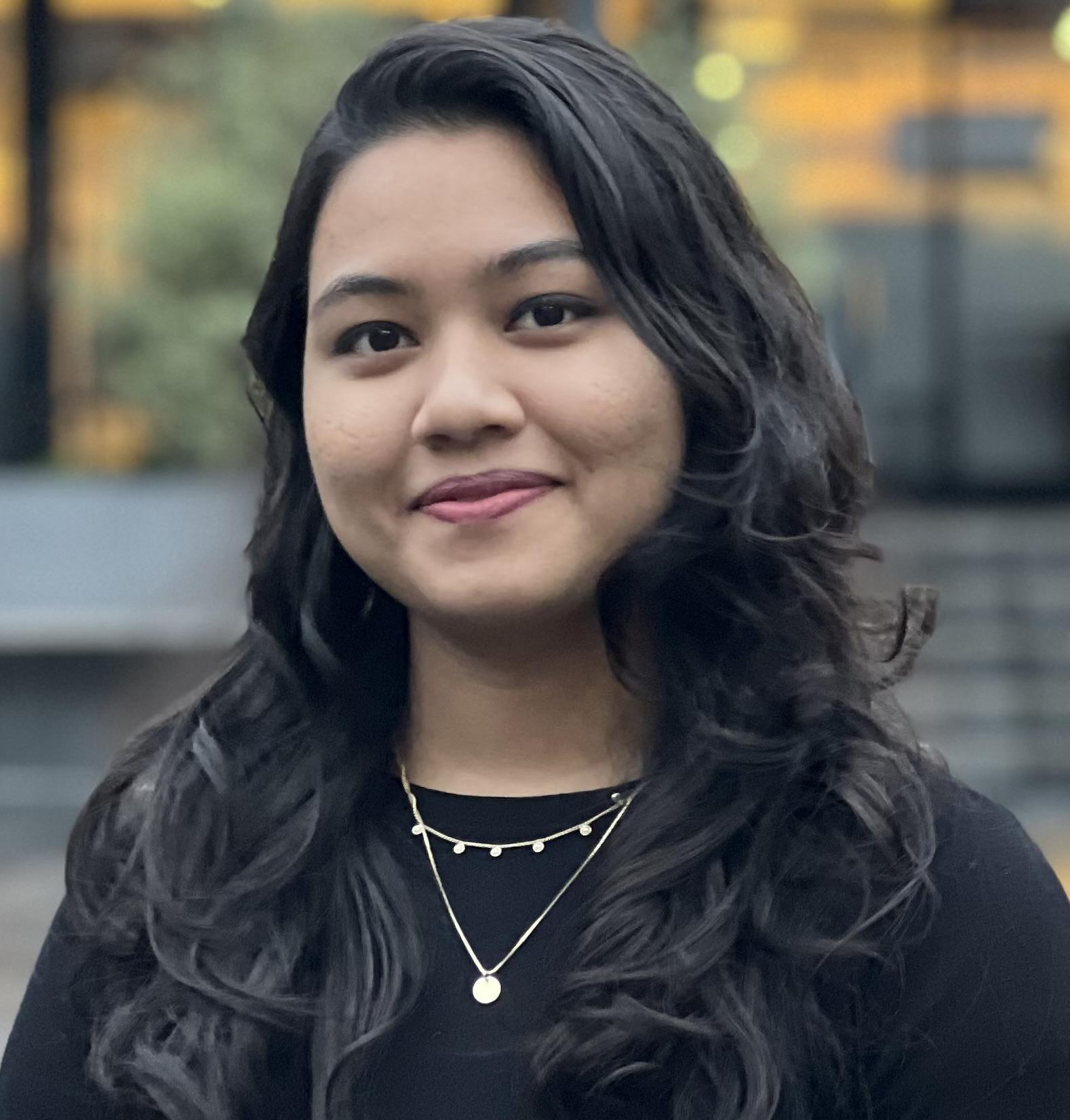
Outreach - Events
Deakin University, Australia
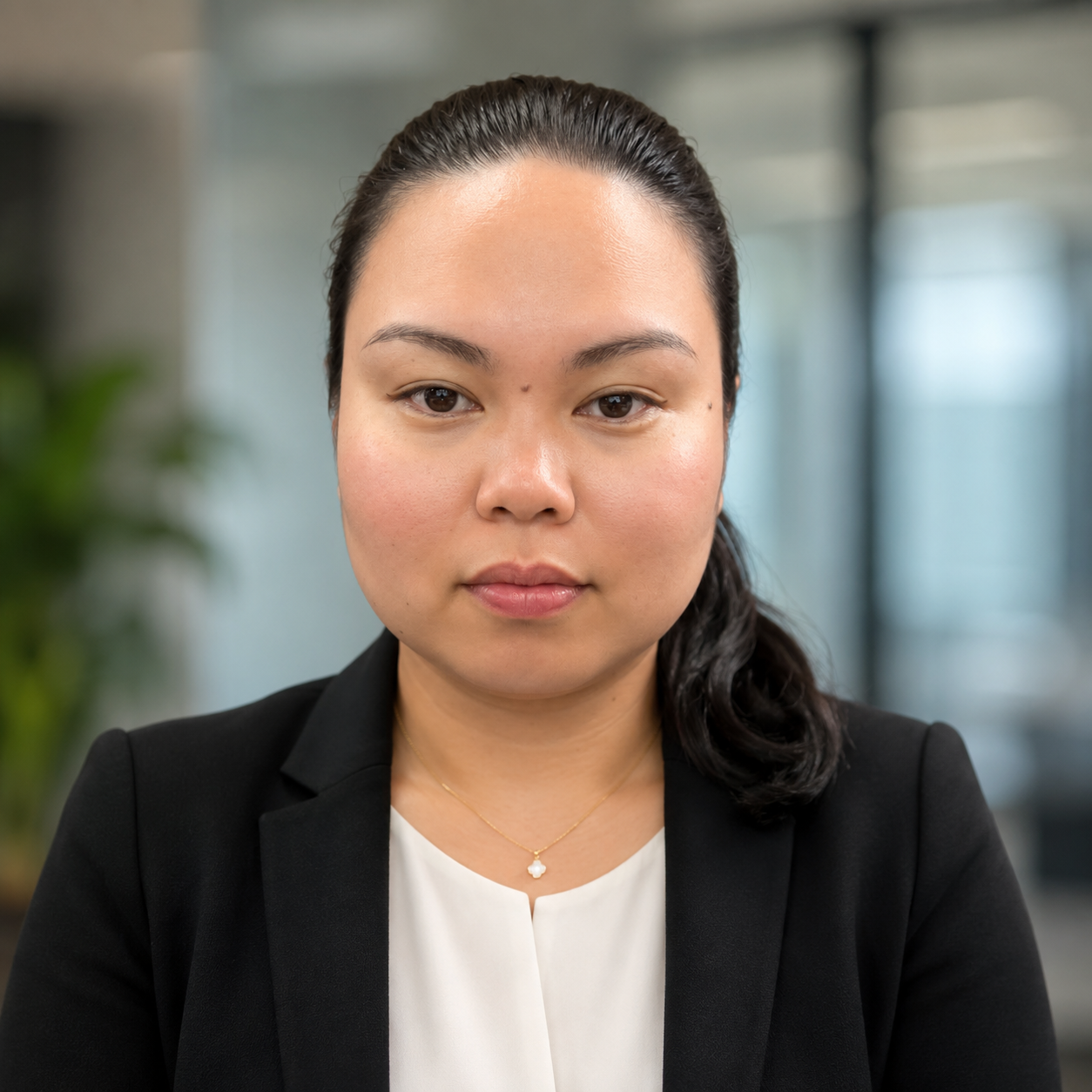
Outreach - Social Media
Deakin University, Australia

A/Prof Mark Ziemann is a computational biology researcher specializing in genomics, transcriptomics, and reproducible high-throughput data analysis. His research focuses on improving the rigor, reliability, and interpretability of RNA-seq and multi-omics analyses through methodological evaluation, statistical benchmarking, and transparent workflow development. He is the lead developer of two R/Bioconductor packages and the lead maintainer of the DEE2 database of processed transcriptome data. Mark is an internationally recognised expert on statistically rigourous pathway enrichment analysis. In 2024 he was awarded with the MAQC Society Outstanding Reproducibility in Science Award for his work entitled "The five pillars of computational reproducibility: bioinformatics and beyond". He is currently employed at Burnet Institute, Australia, where his working group is building capacity and capability to support the analytical needs of the institute.
Mark co-founded RN4CB because he's passionate about research rigour, public trust in science and seeing advances in biomedicine translated into the clinic.
Featured article: Wijesooriya K, Jadaan SA, Perera KL, Kaur T, Ziemann M. Urgent need for consistent standards in functional enrichment analysis. PLoS Comput Biol. 2022 Mar 9;18(3):e1009935. doi: 10.1371/journal.pcbi.1009935.
Dr Peikert is a researcher and Principal Investigator at the Max Planck Institute for Human Development in Berlin, where he leads the Formal Methods in Lifespan Psychology research group. His research focuses on statistical modelling, computational reproducibility, Open Science, and machine learning for nested and hierarchical data. He combines methodological research with principles from software engineering to develop rigorous, transparent, and reproducible approaches to empirical science.
Dr Peikert completed his B.Sc. and M.Sc. in Psychology at Humboldt-Universität zu Berlin and received his Ph.D. in Psychology in 2023. His doctoral research examined computational reproducibility and preregistration, developing principled approaches to improving transparency and trustworthiness in data-intensive research.
His contributions include research and practical tools for reproducible data analysis, Open Science, preregistration, and statistical modelling. He has co-developed reproducible research workflows and software, including work integrating R Markdown, Git, Make, Docker, and Julia into research practice. His research has been published in journals including Perspectives on Psychological Science, Psychometrika, and Psych.
Dr Peikert has received major recognition from the Max Planck Society, including the 2023 Dieter Rampacher Prize and the Otto Hahn Medal for his doctoral research on computational reproducibility and Open Science.
Featured article: Peikert, A., Brandmaier, A. (2021). A Reproducible Data Analysis Workflow With R Markdown, Git, Make, and Docker. Quantitative and Computational Methods in Behavioral Sciences, 1(1), doi: 10.5964/qcmb.3763.
Arjun Krishnan is a computational biologist and biomedical informaticist whose research sits at the intersection of machine learning/AI and large-scale public data reuse. He leads a research group (www.thekrishnanlab.org) at the University of Colorado Anschutz Medical Campus focused on uncovering the molecular, functional, and cellular basis of complex traits and diseases. His lab strives to improve every stage of data-driven discovery: i) data harmonization and annotation, ii) data integration and representation, iii) mechanism prediction and interpretation, iv) building benchmarking frameworks and datasets, and v) developing open code, software, and webservers.
Reproducibility and open science are foundational to how Arjun's lab operates. For every completed project, the group releases reproducible code, reusable open-source software, raw and processed datasets in public repositories, and (where applicable) interactive web servers that allow other researchers to apply new methods directly. This commitment was recognized in 2023 with the NIH DataWorks! Prize: Significant Achievement Award for Data Reuse, awarded for contributions that advance the broader biomedical community's ability to leverage public data. Arjun was also part of one of the 3 winning teams of the 2026 NIH S-Index Challenge.
Beyond research, Arjun is deeply invested in training the next generation of computational scientists. He co-directs two PhD programs at CU Anschutz: the Computational Biosciences Program and the Human Medical Genetics and Genomics Program. He is also the PI on an NIH NLM training grant supporting the Colorado Biomedical Informatics Training Program. He has published frameworks on the responsible integration of generative AI into PhD training, centered on the principle that trainees must build domain expertise before relying on AI tools to augment it.
Arjun joined this reproducibility network's steering committee because he sees the gap between how rigorous science should be done and how it often gets reported and shared as one of the field's most tractable and urgent problems. He is part of the Educational Materials working group and is particularly interested in developing practical, field-tested resources that help computational researchers, especially those early in their careers, build reproducible workflows from the ground up.
Featured article: Yuan, H., Mancuso, C. A., Johnson, K., Braasch, I., & Krishnan, A. (2026). Computational strategies for cross-species knowledge transfer. Nature Methods, 23(2), 312–327. doi: 10.1038/s41592-025-02931-9.
Dr Barbara Zdrazil is ChEMBL Team Coordinator within the Chemical Biology Services team at the European Bioinformatics Institute (EMBL-EBI), where she leads work on one of the world’s major resources for bioactive molecule and drug-discovery data. ChEMBL integrates chemical, bioactivity and genomic information to support computational drug discovery and the translation of biological knowledge into therapeutic opportunities.
Dr Zdrazil holds a PhD in Pharmaceutical Chemistry from the University of Vienna and completed postdoctoral research at the University of Düsseldorf. She subsequently became a Group Leader at the University of Vienna, where she worked on pharmacoinformatics, data science and computational molecular design, and obtained her Habilitation in Pharmacoinformatics in 2019. She joined EMBL-EBI in 2021, initially contributing to Open Targets as a Safety Data Scientist, before becoming ChEMBL Team Coordinator in 2022.
Her research interests span cheminformatics, drug discovery, computational toxicology, bioactivity data and artificial intelligence. She has made significant contributions to the development and curation of ChEMBL, including research on drug and clinical-candidate data, chemical probes, bioassay annotation and the integration of AI with manual curation. She is also Co-Editor-in-Chief of the Journal of Cheminformatics and advocates for reproducible, reusable and open computational research.
Smit, I., Adasme, M.F., Manners, E. et al. Integrating artificial intelligence and manual curation to enhance bioassay annotations in ChEMBL. J Cheminform 18, 24 (2026). doi: 10.1186/s13321-026-01165-x.
Sarah Cohen-Boulakia is a Full Professor at Université Paris-Saclay and a Senior Member of the Institut Universitaire de France (IUF), a highly selective institution that recognizes university faculty for excellence in research. For more than twenty years, she has been involved in interdisciplinary collaborations bringing together computer scientists, biologists, and physicians from a wide range of scientific domains.
Her research focuses on provenance in scientific workflow management systems, reproducibility of scientific experiments, and the integration, querying, and ranking of biological and biomedical data. More broadly, her work aims to develop methods and infrastructures that support transparent, reproducible, and trustworthy data-driven science.
Alongside her research, she contributes to the development of the scientific community around reproducibility. She has coordinated several large national working groups on the reproducibility of scientific experiments and is involved in the coordination of large-scale national initiatives on AI education and training, as well as on reproducibility. These initiatives bring together universities, research organizations, and other kinds of stakeholders to foster good scientific and data practices.
In 2024, she was awarded the CNRS Silver Medal, one of the French National Centre for Scientific Research's highest scientific distinctions, recognizing established researchers for the originality, quality, and impact of their research.
Featured article: Clémence Sebe, Olivier Ferret, Aurélie Névéol, Mahdi Esmailoghli, Ulf Leser, Sarah Cohen-Boulakia, Supporting workflow reproducibility by linking bioinformatics tools across papers and executable code, Bioinformatics, Volume 42, Issue 8, August 2026, btag565, doi: 10.1093/bioinformatics/btag565.
Jean-Baptiste (JB) Poline, PhD, is a tenured Professor in the Department of Neurology and Neurosurgery, and at the School of Computer Science at McGill; the director of the ORIGAMI neuro-data-science laboratory where the Neurobagel and Nipoppy projects are developed. He is a strong proponent of open and reproducible science, founded or co-founded two scientific journals, works with several groups on training (ReproNim, Neurohackademy, etc) or standardization (GA4GH, INCF) initiatives, chaired the International Neuroinformatics Coordinating Facility scientific council, Chaired the NeuroHub and Technical Steering Committee for the Canadian Open Neuroscience Platform at the Neuro. Among the early pioneers of functional magnetic resonance imaging (fMRI), today, Prof. Jean-Baptiste Poline is a leading researcher in the fields of neuroimaging, imaging genetics, data science and neuroinformatics technologies and works with several initiative worldwide to develop open, reproducible, and efficient neuroimaging research.
Featured article: Jérome Dockès, Kendra M Oudyk, Mohammad Torabi, Alejandro I de la Vega, Jean-Baptiste Poline (2025) Mining the neuroimaging literature. eLife. 13:RP94909. doi: 10.7554/eLife.94909.2
Dr. Mangul is an Assistant Professor of Clinical Pharmacy and Computational Biology at the University of Southern California. He specializes in the design, development, and application of novel data-driven computational approaches to accelerate the diffusion of genomics and biomedical data into translational research and education. Dr. Mangul is a passionate advocate for promoting transparency and reproducibility in data-driven biomedical research, as well as for making bioinformatics education accessible to all. Dr. Mangul’s work is dedicated to advancing the principles of reproducibility, data sharing, and software usability, with the ultimate goal of shaping a more equitable and impactful future for the field of bioinformatics. Dr. Mangul received his Ph.D. in Bioinformatics from Georgia State University, and he holds a B.Sc. in Applied Mathematics from Moldova State University, Chisinau, Moldova. He completed his postdoctoral training in computational genomics with Prof. Eskin at the University of California Los Angeles (UCLA). Dr. Mangul is the recipient of the prestigious National Science Foundation CAREER and Fulbright U.S. Scholar Program awards. He serves as a mentor for the NIH AIM-AHEAD Leadership Fellowship and NCATS Training Program in Advanced Data Analysis.
Featured article: Sharma, G., Munteanu, V., Ghiasi, N. M., Mahanta, U., Banerjee, J., Varma, S., Foschini, L., Ellrott, K., Mutlu, O., Ciorbă, D., Ophoff, R. A., Bostan, V., Moore, J. H., Sousoni, D., Krishnan, A., Lucaci, A. G., Tull, A., Mason, C. E., Dimian, M., Stolovitzky, G., … Mangul, S. (2026). Towards a decentralized future for open-science databases. Nature Genetics, 58(7), 1451–1455. doi: 10.1038/s41588-026-02606-x
Dr. Sheeba Samuel is a Senior Researcher and Lecturer at TU Chemnitz, Germany, whose work sits at the intersection of knowledge graphs, artificial intelligence, and data science. Her research is driven by a central question: how can computational research—particularly in biomedicine and the life sciences—be made more reproducible, transparent, explainable, and reusable? She earned her Ph.D. from Friedrich Schiller University Jena in 2019 with a dissertation on provenance-based semantic approaches to scientific reproducibility, laying the foundation for her ongoing work in this area.
Over the past decade, she has developed semantic frameworks, ontologies, and tools that support reliable computational science. Her research spans the full lifecycle of computational experiments—from provenance capture and semantic representation to automated reproducibility assessment of research software and Jupyter notebooks. She has led large-scale empirical studies, including an analysis of more than 27,000 biomedical Jupyter notebooks, offering a detailed empirical picture of how well computational results in published life-science research actually replicate. More recently, her work has focused on scalable assessment methods, automated containerization, and the use of large language models to support scientific knowledge representation and reproducibility workflows.
Beyond her research, Sheeba actively contributes to the open science community through teaching, mentoring, conference organization, and collaborative infrastructure initiatives. As Co-Principal Investigator of the Jupyter4NFDI Integration Phase, she is helping develop sustainable services for reproducible computational research in Germany. Through this network, she looks forward to working with an international community to advance practical, interoperable, and community-driven approaches that strengthen the reproducibility and reusability of computational life-science research.
Featured article: Ahmed, W., Kommineni, V. K., König-Ries, B., Gaikwad, J., Gadelha, L., & Samuel, S. (2025). Evaluating the method reproducibility of deep learning models in biodiversity research. PeerJ. Computer Science, 11, e2618. doi: 10.7717/peerj-cs.2618.
Stephen R. Piccolo is a Professor in the Department of Biology at Brigham Young University (BYU) where he has been employed since 2014. He earned a B.S. degree in Management Information Systems from BYU in 2001 and then worked as a software engineer at Intel Corporation for five years. In 2011, he received a PhD in Biomedical Informatics from the University of Utah. From 2011-2014, he was postdoctoral researcher jointly at the University of Utah (Department of Pharmacology and Toxicology) and Boston University School of Medicine. His research lab uses and develops computational tools to understand medical conditions, such as cancer and Down syndrome, at the molecular level. The lab develops methodologies for making publicly available data more findable, accessible, interoperable, and reusable (FAIR) and ensuring that data curation processes are reproducible. Additionally, the lab does research related to bioinformatics education, particularly at its interface with artificial intelligence. The lab strives to ensure that all findings published by the lab are computationally reproducible. In 2016, Piccolo published a paper entitled, “Tools and techniques for computational reproducibility” (Gigascience), which provides an overview of ways that researchers can improve the reproducibility of their computational analyses. Since January 2025, Piccolo has served as Editor-in-Chief of the Journal of Open Research Software.
Featured article: Grace S Brown, James Wengler, Aaron Joyce S Fabelico, Abigail Muir, Anna Tubbs, Amanda Warren, Alexandra N Millett, Xinrui Xiang Yu, Paul Pavlidis, Sanja Rogic, Stephen R Piccolo, Using semantic search to find publicly available gene-expression datasets, Bioinformatics, Volume 42, Issue 3, March 2026, btag053, doi: 10.1093/bioinformatics/btag053.
A/Prof Tazro Ohta's research focuses on the vast troves of medical information and big data derived from cutting-edge molecular biology experiments, including large-scale genome analysis technologies. He collaborates widely with bioinformatics researchers both in Japan and abroad. His team strives to develop and implement international standards for large-scale data analysis infrastructure while advancing the research and development of sophisticated life science databases with direct applications in medicine. By making his research outputs available as open-source software and databases, he enhances the power and reliability of medical data science, particularly through the use of machine learning. Recent Topics of Interests:
Featured article: Hirotaka Suetake, Tsukasa Fukusato, Takeo Igarashi, Tazro Ohta, Workflow sharing with automated metadata validation and test execution to improve the reusability of published workflows, GigaScience, Volume 12, 2023, giad006, doi: 10.1093/gigascience/giad006.
Anusuiya Bora is a PhD candidate at Deakin University and the Burnet Institute, Australia. She holds a Bachelor of Technology in Biotechnology from the Vellore Institute of Technology, India. During her final-year undergraduate project in 2022, she collaborated with Dr. Mark Ziemann on a pilot study auditing the reproducibility of published functional enrichment analyses. It revealed that only 20% of the audited papers met acceptable reproducibility standards, sparking her long-term research interest in the field.
Following her undergraduate studies, Anusuiya completed a Master of Science in Precision Medicine at University College Dublin, Ireland, supported by a 100% Global Excellence Scholarship. She graduated in August 2023 and rejoined the Ziemann group in October 2023 to commence her doctoral research. Her PhD project, "On the reproducibility of functional enrichment analysis", focuses on identifying critical methodological flaws and engineering practical solutions to improve data reliability in biomedical research. Her recent reproducibility audits revealed severe deficiencies in the literature. She is passionate about actively addressing these these gaps through developing best practices, advocacy and education.
Anusuiya is eager to collaborate with international networks to integrate these validation steps into mainstream bioinformatics pipelines. Connect with Anusuiya on LinkedIn or via email to share strategies on scaling reproducible practices across research institutions.
Featured article: Bora A, McKenzie M, Ziemann M (2026) Ten common mistakes that could ruin your enrichment analysis. PLoS Comput Biol 22(4): e1014122. doi: 10.1371/journal.pcbi.1014122.
I am a bioinformatician researching the genetic basis of sex differences across species. My doctoral research uses transcriptomic analysis to explore the molecular mechanisms of natural sex change in fish, alongside collaborative research into the genetics of aging and sex-based differences in humans. I work as a bioinformatician at the Muscle Growth, Regeneration and Ageing Laboratory at the University of Melbourne, and with the Faculty of Health at Deakin University, applying computational approaches to multi-omics data including RNA-seq, proteomics, and metabolomics. I also serve as a Graduate Research Teaching Fellow at Deakin University, guiding master's students through the intricacies of bioinformatics and emphasizing practical research skills with undergraduates. I place a strong emphasis on reproducible, well-documented analytical workflows, and I'm committed to translating complex, high-dimensional data into meaningful biological insight. I'm passionate about open, collaborative science and enjoy contributing to a supportive research community.
Featured article: Abeysooriya, M., Soria, M., Kasu, M. S., & Ziemann, M. (2021). Gene name errors: Lessons not learned. PLoS Computational Biology, 17(7), e1008984. doi: 10.1371/journal.pcbi.1008984.
mark.ziemann{at}burnet{dot}edu{dot}au